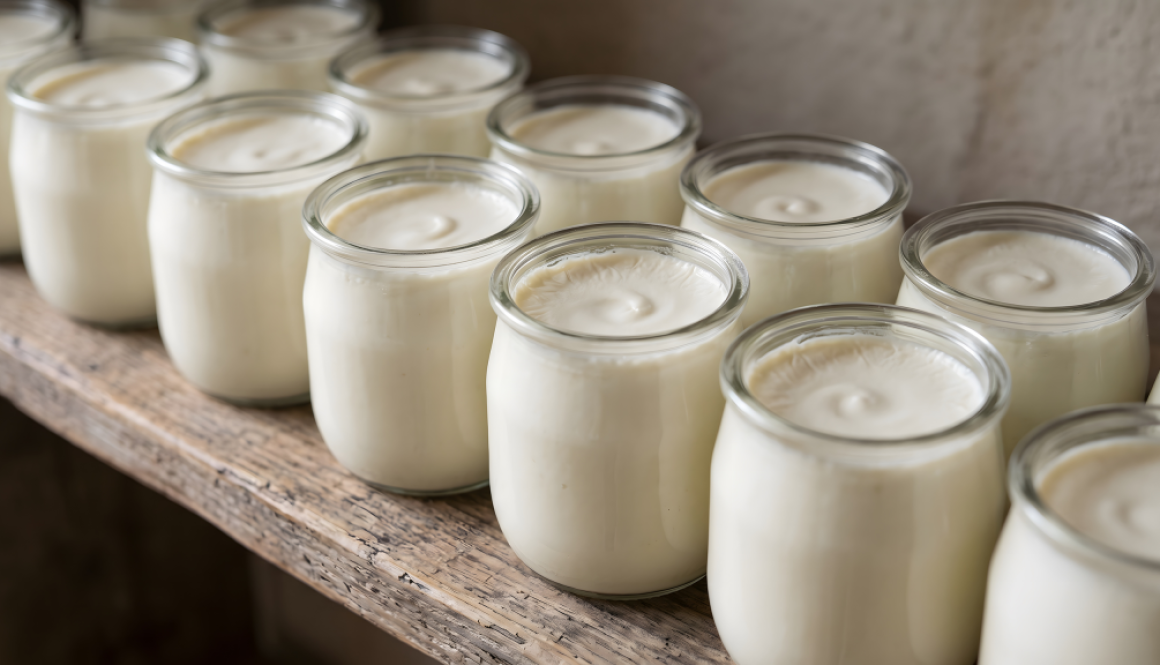
My Homemade Yogurt
Why I Switched to Homemade L. reuteri Yogurt (and Haven’t Purchased Store-Bought in Months)
A few months ago someone asked me why I bother making my own yogurt with L. reuteri instead of just grabbing a tub of store-bought yogurt to use as a starter. It was a fair question. I’d just started making yogurt for myself , so I’m no expert, but once I tried this particular strain and method, I stopped buying commercial yogurt entirely. Here’s the practical, real-world difference.
It’s Not the Same Kind of Bacteria
Most store-bought yogurt is made with *Streptococcus thermophilus* and *Lactobacillus bulgaricus*. These are excellent at turning milk into yogurt quickly (usually in 4–6 hours) and giving it a thick texture. They’re chosen for manufacturing speed and consistency. They are also mostly transient—they pass through your system without really colonizing the gut or producing many of the more interesting compounds.
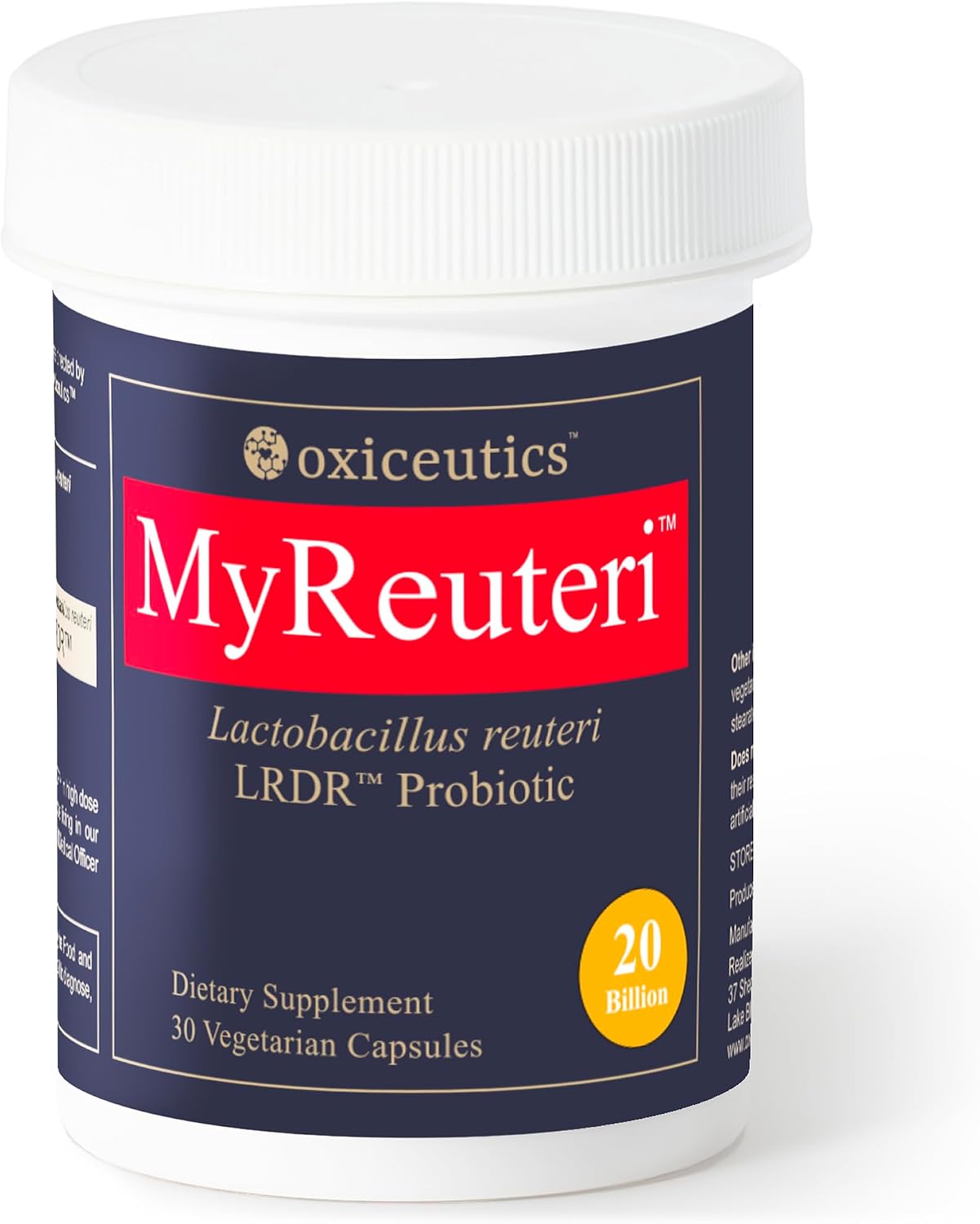
L. reuteri is different. The strain I use (20billion CFU LRDR™ strain in MyReuteri) is a human-adapted strain that can adhere better to the intestinal lining. It also produces reuterin, a broad-spectrum antimicrobial that helps suppress unwanted bacteria such as certain strains of E. coli, Salmonella, and others, while leaving beneficial microbes largely alone. Standard yogurt starter cultures don’t make reuterin. Some research also links specific L. reuteri strains to immune modulation (including support for regulatory T-cells) and effects on the gut-brain axis, including influences on GABA and oxytocin pathways. Those are not typical selling points of conventional yogurt cultures.
The Count and the Culture
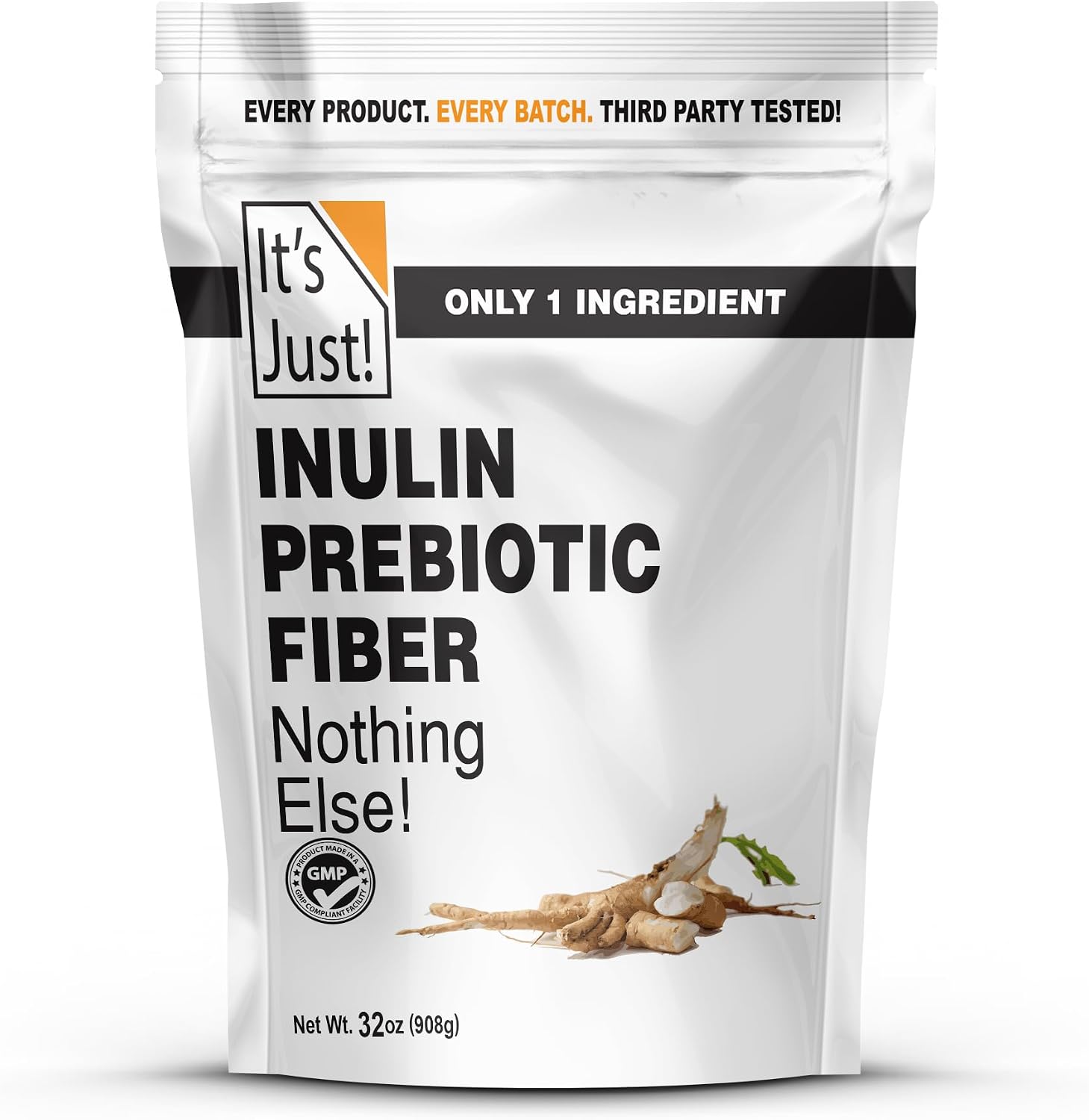
A typical serving of commercial yogurt might deliver a few billion CFUs of those transient bacteria, and the numbers decline while it sits on the shelf. Because I ferment mine for 36 hours at a lower temperature with a pure prebiotic fiber (It’s Just), the initial 20 billion CFU dose multiplies dramatically. The result is a far higher density of live, active bacteria—orders of magnitude more than what’s in a standard tub.
Just as important, this culture is robust enough to keep going. Commercial yogurt used as a starter often peters out after a couple of generations; the industrial strains weren’t selected for indefinite home propagation. Mine stays consistent batch after batch.
No Fillers, No Shortcuts
Store-bought yogurt frequently relies on pectin, starches, gelatin, or other thickeners because the fermentation is rushed. Many also contain added sugars or are formulated for long shelf life. Mine starts with organic half-and-half and pure prebiotic fiber. There are no thickeners, stabilizers, or preservatives. The texture and flavor come from the long fermentation itself.
How I Actually Make It
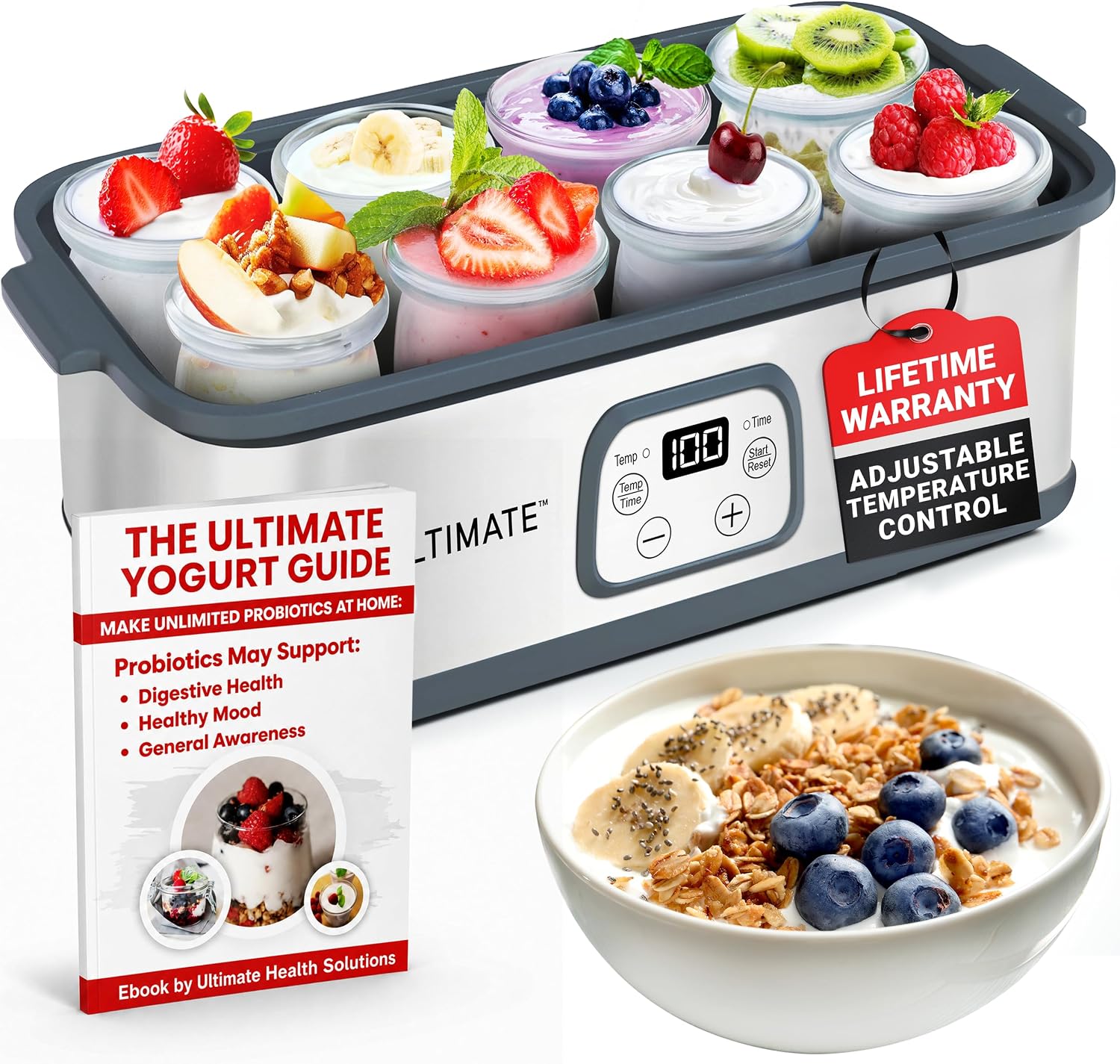
I heat about 1/4 cup of organic half-and-half (use a full quart per batch) to about 99°F (roughly body temperature), then stir one MyReuteri powder capsule and 2 Tbs of It’s Just fiber into it until everything is fully dissolved. That warm slurry wakes the bacteria gently and prevents clumping. I add it back to the rest of the dairy (not necessary to heat it all) and ferment for 36 hours in my Ultimate® Yogurt Maker. Follow the instructions that came with your yogurt maker, whichever brand you use. The finished yogurt is consistently smooth, rich, and slightly tart—more like a luxurious cultured cream than a thin or grainy yogurt. It doesn’t separate when the temperature and cleanliness stay steady.

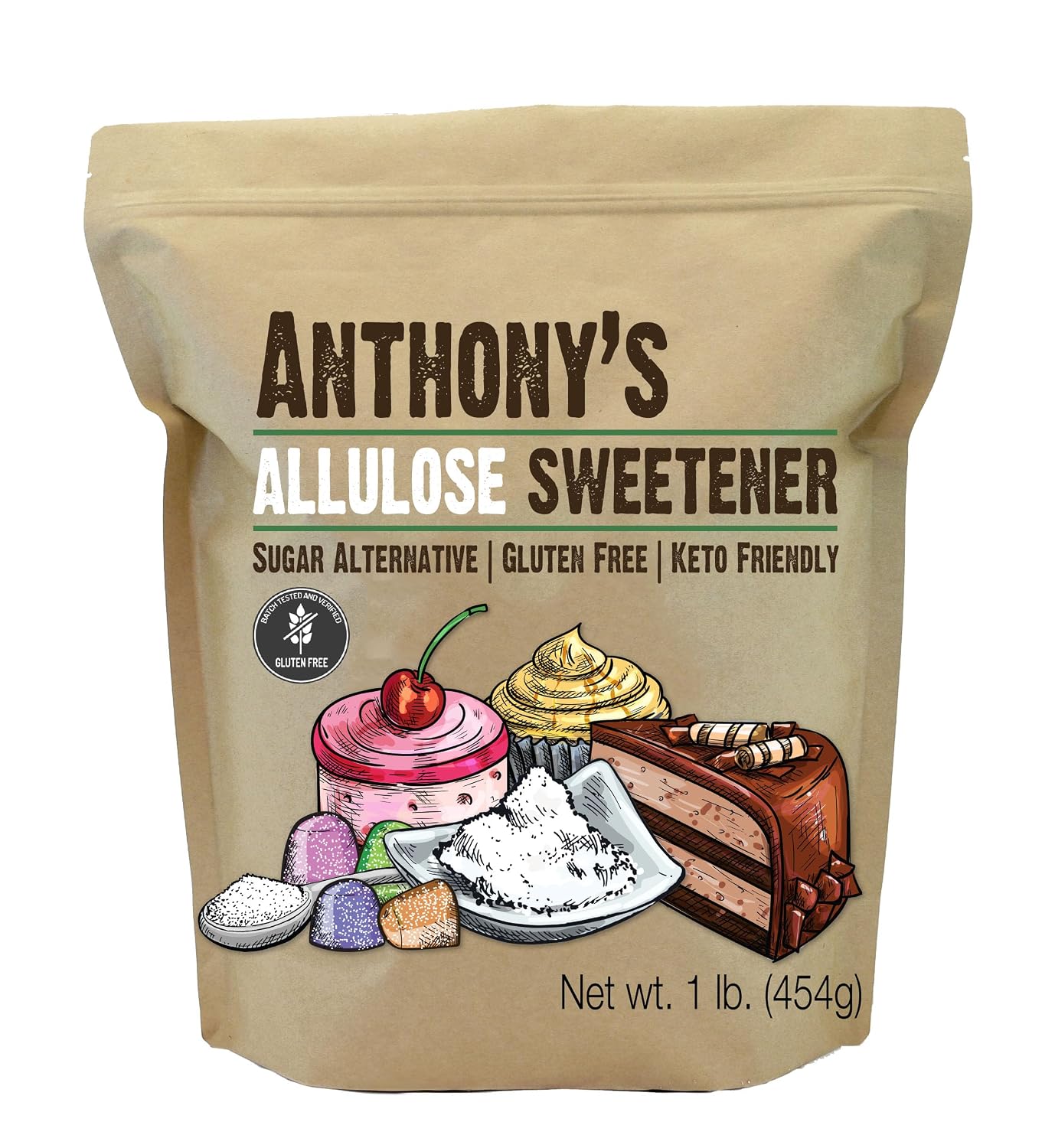
I usually eat it plain. Occasionally I stir in Anthony’s organic fruit powders (I prefer Blueberry, Strawberry, and Lemon), a little local honey, Anthony’s Allulose, 100% pure maple syrup, and even a little pumpkin pie spice for the Fall. Those additions work well without needing the syrupy fruit-on-the-bottom style of commercial products.
The Practical Takeaway
Store-bought yogurt is a convenient food. This is closer to a high-density, heirloom-style ferment I can keep going indefinitely. The bacterial strain, the fermentation time, the pure ingredients, and the ability to re-culture it all set it apart. That’s why I haven’t bought a tub of regular yogurt in months—and why, when someone asks, I can point to both the process and the results.
If you’re already making yogurt and curious about trying this approach, the combination of a high-potency L. reuteri starter and a pure prebiotic fiber is what makes the difference for me.
I’ve linked most of the products mentioned in this post (MyReuteri, It’s Just prebiotic fiber, and Allulose) to Amazon so you can easily find exactly what I use.